

The Best Electric Guitars for Beginners
> 11 December 2025

Stumped about which electric guitar to grab for your first steps, or helping someone you love pick one that won’t hold them back? That feeling is normal because there are endless shapes, pickups, and prices, and it’s hard to know what actually feels good in your hands and stays in tune as you learn.
Let’s keep it simple so you can start playing sooner and enjoy every practice. Below, you’ll get a few picks that are easy to play, sound great through a small amp, and won’t need constant tweaks, plus a few money-saving tips so you can put more of your budget into the guitar that helps you build good habits from day one.
What Electric Guitars Are Best for Beginners?
You want a user-friendly, responsive electric guitar for beginners that feels comfortable on day one and continues to serve you as you improve.
The options below balance easy setups, stable tuning, and flexible tones, so you can learn chords, riffs, and leads without fighting the instrument:
Squier Sonic
Squier’s Sonic line gives you classic shapes with lighter poplar bodies, so your shoulders won’t hate long practice sessions. The slim “C” neck helps you form chords cleanly, and the ceramic single coils in the standard models keep notes clear for lessons, practice, and light overdrive.
If you want extra punch for rock, consider the Stratocaster HSS models with a humbucker in the bridge for thicker rhythm and lead sounds. You also get a tremolo bridge for gentle vibrato, sealed tuners that hold pitch well, and sturdy chrome hardware that stands up to daily use. Plug one into a small 10–20 W amp, roll the tone knob back for smoother highs, and you’ve got friendly, reliable sound for practice and beyond.
If the standard or HSS Strat models don’t take your fancy, there are a few other Stratocaster, Telecaster and Mustang models available. Depending on the sound you want to achieve, you could go for something with or without a tremolo, or browse different pickup configurations, such as SS, SSS, HSS, H or HH.
Yamaha Pacifica
Yamaha Pacifica guitars are a safe bet for learners who want one guitar that can cover many styles. Most models use an HSS layout, so you get a bright single-coil chime for cleans and a warmer humbucker for chunkier parts, all controlled by a 5-way switch with simple volume and tone controls.
The bolt-on maple neck is slim and smooth, so you can slide between frets without strain, and you’ll see either rosewood or maple fingerboards depending on the model. Bodies are usually alder, though some trims add mahogany or a flame maple top.
Many have a 25.5 scale length (about 64.8 cm) with 22 frets, which gives a familiar, roomy feel for chords and bends. Vintage-style tremolos are common, and higher trims may add coil-split and locking tuners to keep tuning steady and expand your sounds.
Ibanez Standard
If you want a modern feel and plan to play rock or faster riffs, Ibanez Standard models make sense. You get comfortable, ergonomic bodies and roasted maple necks that feel stable across seasons.
The necks have a slim profile, so your hand can move up and down the frets with less effort, and stainless steel frets stay smooth for a long time. Pickups vary by model, but many use Ibanez Custom sets that cover clear cleans and thick rock tones. Some versions use HSS for extra sparkle in the 2 and 4 switch positions.
The hardware helps beginners, too. The locking tuners clamp the strings to reduce slippage, so you spend less time retuning, and tremolo bridges like the T106 let you add light vibrato without big pitch drift. The recessed neck joint gives easy upper-fret access, so scales and solos feel straightforward as you progress.
Gretsch
Gretsch brings style and a bright, twangy sound, even at entry prices. Many models lean toward clear attack and chime, which suits rockabilly, country, indie, and clean rhythm parts. You’ll see solid, semi-hollow, and hollow bodies. Filter’Tron-style pickups give that sharp, focused tone, and some models add a Bigsby vibrato for subtle bends without wild pitch swings.
You can shop by range, including browsing the Streamliner line for value or the Electromatic range for mid-tier features. Build choices help sustain too, thanks to bracing and those pickups. Controls stay simple, and the vintage-style knobs are easy to use on stage or at home. If you want crisp cleans that still cut through a mix, Gretsch is a strong option that covers a lot of styles while keeping playability front and centre.
Epiphone
Epiphone gives you the shapes and sounds you know from rock and blues records, without the high price tag. You’ll see Les Pauls, SGs, and semi-hollows like the Casino, with setups aimed at easy play and stable tuning.
Many Epiphone electric guitars use punchy humbuckers like Probuckers, mahogany bodies for warmth and sustain, and sturdy Tune-o-matic bridges with Stopbar tailpieces that help keep intonation in line.
Modern wiring often includes coil-split, so one guitar can move from thick riffs to brighter, single-coil-style parts when you pull the tone knob. Neck profiles suit a wide range of hands, which helps you bend strings cleanly and build strength fast. If you want classic rock tones and a proven feel, this path makes a lot of sense for your first guitar.
Honourable Mentions
Jet Guitars and Spira Guitars are newer brands that build guitars styled after popular models from the big names, but at a much lower price.
Their quality is quite good for the money, so they stack up well against Yamaha, Epiphone, Ibanez, and Squier in the beginner range.
If you’re watching your budget, try a Spira or Jet next to those brands and see how the neck shape, weight, and tuning stability feel in your hands..
How to Buy an Electric Guitar for Your Needs
Start with a full-size model unless the player is very young. Small or travel guitars use shorter scale lengths than the usual 62.9–64.8 cm and tighter string spacing around 50–55 mm total, roughly 10–11 mm between strings. Your fingers learn shapes on that smaller layout, then you switch to full-size and it can feel like you need to relearn.
Starter packs also help if you need everything at once. You’ll get a guitar, a small practice amp, a gig bag, and a few accessories for less than buying each item on its own, though your model choices will be more limited.
Want to save money the smart way? Check Clearance models for markdowns on discontinued finishes or small cosmetic blemishes, and don’t sleep on used gear; a lightly played used electric or used acoustic can stretch your budget a long way.
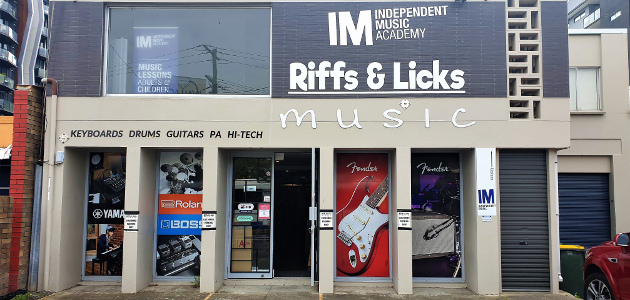
If you can, visit us in Newstead or the Gold Coast to compare your options. Our knowledgeable and experienced staff are always more than happy to help you narrow down your choices.