

Distortion Guitar Pedals
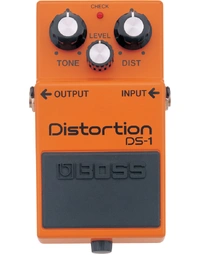
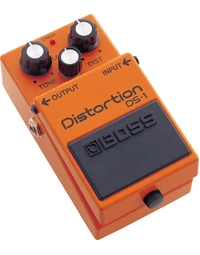
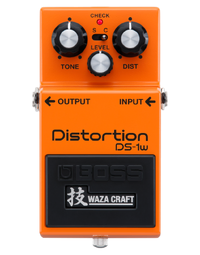
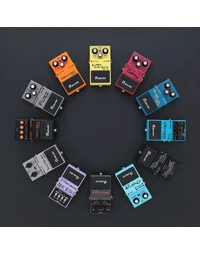


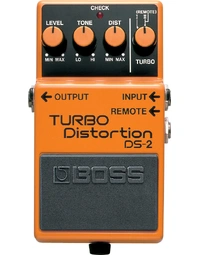
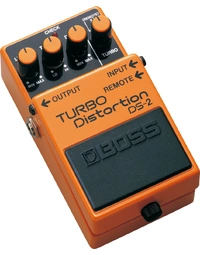
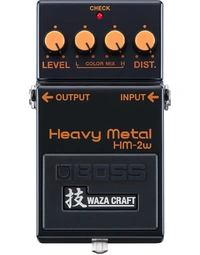

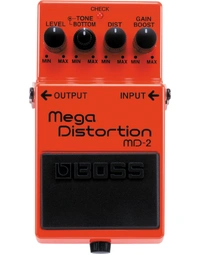
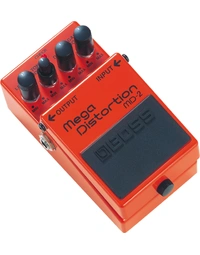
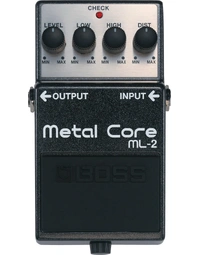

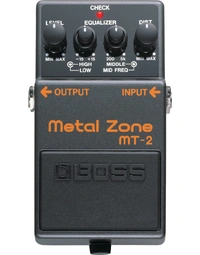

Most guitarists reach a point where a clean tone just doesn't cut it anymore. Distortion pedals are what bring in that extra drive and edge, whether you're building riffs, pushing leads forward, or just wanting your sound to feel a bit fuller and more aggressive.
They're one of the most used effects on pedalboards for a reason. You can go from light crunch through to heavy, saturated gain depending on the style you're chasing. The right pedal makes it easy to shape that without overthinking it.
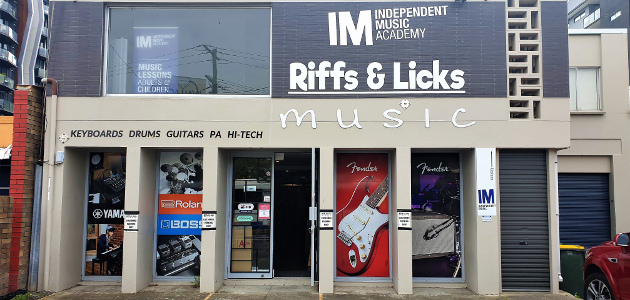
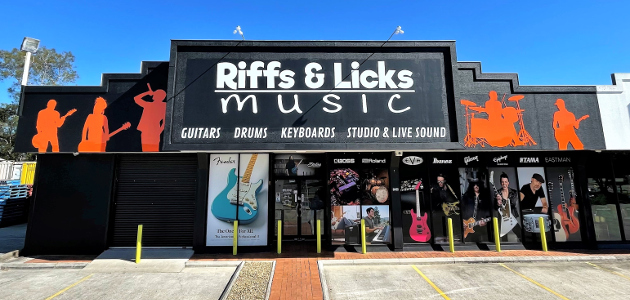
At Riffs & Licks Music, we've got you covered with a huge range of distortion, overdrive, and fuzz pedals from quality brands like BOSS, Electro-Harmonix, Fender, Ibanez, Jim Dunlop, MXR, Orange, TC Electronic, TECH 21, and Valeton. Not quite sure what to get? Just head into our Brisbane and Gold Coast stores and talk to one of our experienced professional musicians. Or, if you know what you want, shop online any time and enjoy great prices!
FAQs
When should I use a distortion pedal?
Use a distortion pedal when your clean tone feels too flat or you want more drive behind your sound. It's commonly used for riffs, lead parts, and heavier rhythm playing where you need more edge and presence. You can also switch it on for specific sections of a song to make them stand out more.
What's the difference between distortion, overdrive, and fuzz?
Distortion gives you a heavier, more aggressive tone with more compression. Overdrive is a bit softer and reacts more like a pushed amp, while fuzz is more extreme and textured with a very saturated sound.
What distortion pedal is best for beginners?
Something simple with gain, tone, and level controls is usually easiest to start with. Brands like BOSS, MXR, and Ibanez are common starting points because they're easy to dial in and reliable.
What should I do if my distortion pedal makes too much noise?
First check your cables, since a loose or worn cable is often the cause. If everything looks fine, try using an isolated power supply instead of sharing power with other pedals. If it still happens, a noise suppressor placed after the distortion pedal can help clean things up.